
Tikitaka is one of those offshore brands that looks built for football-first players, but the bonuses deserve a colder, more experienced read than the glossy banners suggest. For UK punters, the question is not whether an offer looks big; it is whether the terms let you turn bonus value into withdrawable cash without tripping over caps, sticky balance rules, or low-RTP games. That is especially important at grey-market sites, where the marketing can be clear while the practical withdrawal path is less friendly than it first appears. This breakdown focuses on how Tikitaka bonuses work in practice, where the value may sit, and what experienced players should check before staking a quid.
If you want to inspect the current offer structure directly, the clearest starting point is the Tikitaka bonuses page, then the terms that sit behind it. The offer mechanics matter more than the headline. On offshore sites, the real question is usually not “how much is the bonus?” but “how much of it can I actually realise, and under what conditions?”
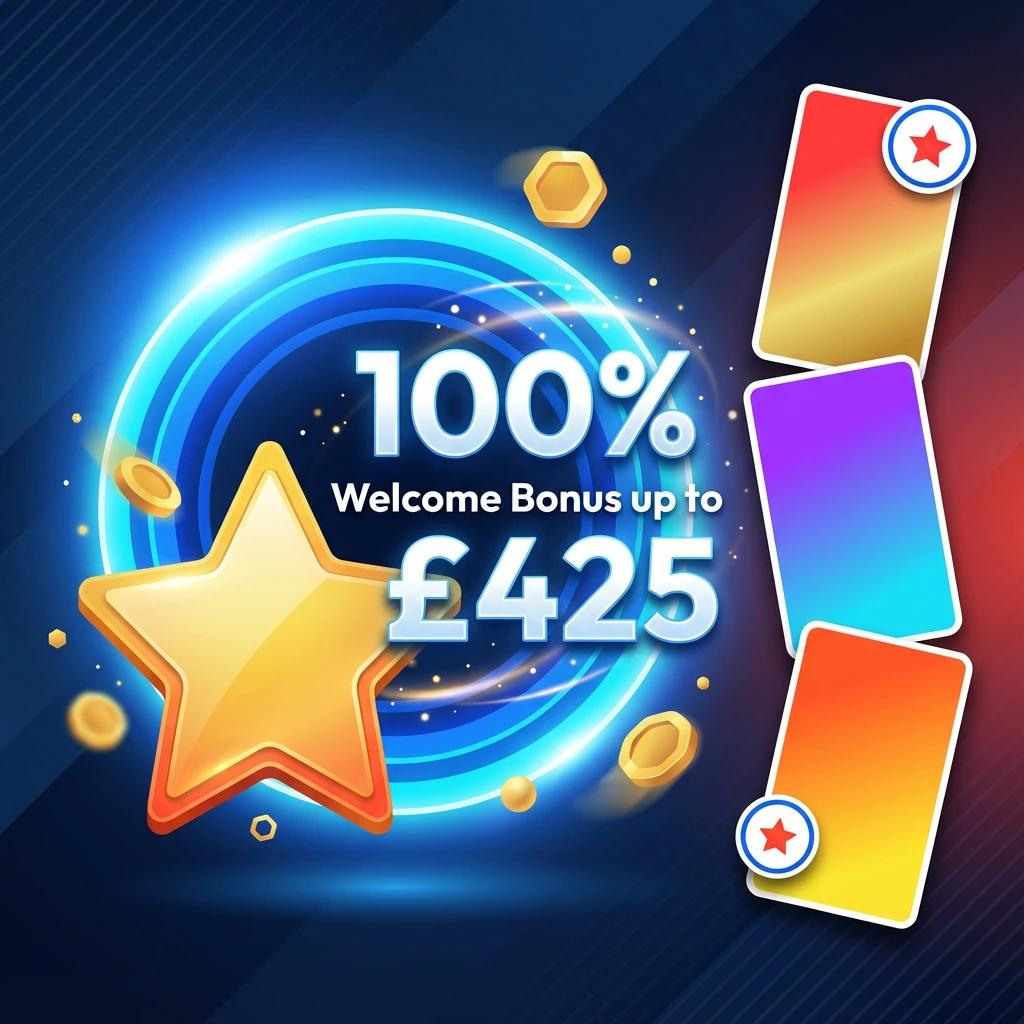
What Tikitaka’s bonus structure is trying to do
Tikitaka is not a standard UKGC-licensed bookmaker, so the bonus package should be judged with that context in mind. The platform operates under a grey-market umbrella for UK residents, and that affects both player protection and the way promotions are engineered. In simple terms, the site appears designed to encourage longer sessions, higher turnover, and movement between casino and sportsbook products inside one account.
For experienced players, that can be attractive if you value a broad lobby and a unified balance. It can also work against you if the promotional terms push you into high-volume wagering before you are ready. The practical value of any bonus depends on four things:
- Wagering load: how much turnover is required before funds become withdrawable.
- Game eligibility: whether the games you actually want to play count fully, partially, or not at all.
- Withdrawal friction: caps, verification timing, and account-level limits.
- RTP and margin: whether the underlying products are priced in your favour or quietly tilted back toward the house.
That last point matters. A bonus with decent headline numbers can still be poor value if the game library runs on lower RTP settings or the sports pricing carries a wider margin than you would accept elsewhere.
How to assess the value, not just the headline
Experienced players tend to over-focus on the matched percentage and under-focus on the release conditions. That is exactly where offshore promotions can bite. A 100% bonus sounds clean, but if the effective wagering is 35x on deposit plus bonus, the bonus is not a quick top-up; it is a long commitment to turnover. If free spins are included, their winnings often come with a separate cap, which can reduce the real upside even when the spin count looks generous.
As a rule, there are three broad ways to judge whether a bonus is worth your time:
- Conversion potential: can the promo be cleared without forcing you into unsuitable stakes or volatile games?
- Economic edge: do the terms preserve enough value after wagering to justify the grind?
- Cash-out realism: once you clear the offer, will account rules let you withdraw at a pace that fits your bankroll?
On Tikitaka, that final question is unusually important because new accounts are reportedly placed at VIP Level 1, with a daily withdrawal ceiling of roughly £425 and a monthly ceiling of around £6,000. For a casual bonus hunter this may not matter much. For a player turning over larger sums, it can become the difference between a manageable promo and a frustrating delay.
Quick comparison: what to check before opting in
| Checkpoint | Why it matters | What to look for at Tikitaka |
|---|---|---|
| Wagering requirement | Determines how much action you need before withdrawal | Check whether the requirement applies to deposit only, bonus only, or both |
| Bonus type | Sticky and non-sticky deals behave very differently | Confirm whether real money remains separable from bonus funds |
| Game weighting | Not all games count equally toward wagering | Review slot, live casino, and sportsbook contribution rates separately |
| RTP setting | Lower RTP reduces long-run return even if the bonus is large | Some titles appear to run on roughly 94% RTP rather than UKGC-style settings |
| Withdrawal limits | Can slow down access to winnings | Watch for the VIP Level 1 daily and monthly cap |
| Verification timing | Can determine whether you are asked for documents only at cash-out | Expect checks to become relevant when you request a withdrawal |
Where the real risks sit for UK players
The main risk is not that the bonus exists; it is that the promotional structure can look better than the player-protection framework supporting it. Tikitaka does not hold a UK Gambling Commission licence, so British players do not get the same domestic dispute protections, regulatory clarity, or standard safeguards they would expect from a UKGC brand. That matters when a promotion becomes contentious, or when a withdrawal is delayed, capped, or questioned.
There is also a broader trade-off in offshore casino design. These sites often support a wider mix of payments, including debit cards, e-wallets, and crypto, but that flexibility usually comes with more moving parts: processor variability, verification friction, and cash-out rules that can feel strict once you are actually trying to leave the account. In addition, some analysis suggests the casino may use lower RTP settings on certain slots than you would normally see on mainstream UK sites. That does not make the games unplayable, but it does reduce theoretical value, which is exactly what matters when you are already paying a price in wagering.
Another point many players miss is that welcome bonuses can be strategically sticky. If the bonus is tied to your deposit in a way that prevents partial cash-out, you may be forced to keep playing after you would otherwise have walked away. That is not inherently unfair, but it is a poor fit for anyone who wants to bank profits quickly or manage risk tightly.
Practical read on sportsbook and casino usefulness
Tikitaka’s football-heavy identity may appeal to players who like moving between accas, bet builder style combinations, and casino play in the same session. From a bonus perspective, that sounds efficient. In practice, it usually means the offer can be used to nudge you into whichever product the house wants to prioritise. If you are a sportsbook-first punter, the value depends on prices and overround as much as on the promo itself. Offshore football margins can be competitive, but they are not usually best-in-class.
If you are more of a casino player, the value picture changes again. A bonus is only as good as the slots or tables available to clear it. On sites where some games sit below the standard RTP seen on UKGC venues, a bonus can turn into a longer grind for a smaller expected return. That is fine if you are playing for entertainment and the terms suit your stake size. It is poor value if you treat the promotion as a near-free shot at profit.
For disciplined players, the sensible way to approach Tikitaka is to view the bonus as a bonus-funded session extender, not as a cash machine. If that framing feels too cautious, it is probably because the offer is doing the usual marketing job: making the upside feel larger than the expected return.
A sensible checklist for experienced punters
- Read the promotional terms before opting in, not after the first win.
- Check whether the bonus is sticky, partially sticky, or fully withdrawable only after wagering.
- Verify which games contribute fully to the rollover and which do not.
- Assume withdrawal limits may be tighter than you want, especially at entry level.
- Keep deposits small until you have tested the cashier and cash-out process.
- Do not use bonus chasing to justify a bigger stake than your normal bankroll allows.
- Remember that grey-market status means fewer protections if something goes wrong.
If you are comparing offers across brands, the cleanest way to think about Tikitaka is this: the bonus may be decent for a player who values variety and accepts offshore conditions, but it is not automatically strong value just because the percentage looks high. The practical edge is reduced by wagering, withdrawal ceilings, and likely lower theoretical returns on some games.
Are Tikitaka bonuses good value for UK players?
They can be workable for experienced players who understand rollover, sticky-balance mechanics, and withdrawal limits. They are not automatically strong value, especially if you compare them with the protections and transparency usually found at UKGC brands.
What is the biggest catch with the welcome offer?
The biggest catch is usually the combination of wagering requirement, bonus structure, and cash-out friction. Even if the headline match rate looks generous, the terms can make the effective value much lower than expected.
Why does the withdrawal cap matter so much?
Because a cap can slow down access to your own money after you have completed wagering. At entry level, Tikitaka’s reported limits are low enough to matter for anyone making larger deposits or aiming to withdraw larger sums.
Should I focus on the casino bonus or the sportsbook angle?
Only if you already know which product you prefer. Casino bonuses are usually easier to market than they are to clear, while sportsbook promos depend heavily on margin and market quality. The better choice is the one that matches your normal play style.
About the Author
Sienna Price writes analytical gambling content with a focus on practical value, promotional mechanics, and UK player context. Her approach is straightforward: explain the offer, test the trade-offs, and leave the hype at the door.
Sources: Public site structure and promotional pages on Tikitaka; known UK gambling regulatory framework; stable platform and account-limit observations; general bonus-analysis reasoning.