
Exploring the Digital Shadows: What Sites Are Not on the Web?
The internet is a vast ocean of information, ideas, and resources. However, within this vast expanse, there exists a lesser-known territory – websites and online resources that are not readily accessible or indexed by traditional search engines. This article delves into the reasons why certain sites are not on the web, exploring the implications of this digital anonymity and what it means for users navigating the online world. To illustrate this concept, we’ll also examine platforms like what sites are not on GamStop hospitaldr.co.uk, which provide valuable resources yet might not be as visible in the crowded digital marketplace.
Understanding the Invisible Web
The term «invisible web» refers to content on the internet that is not indexed by standard search engines like Google or Bing. This includes databases, private websites, and underutilized platforms. The invisible web is significantly larger than the surface web—the searchable portion that the majority of users access daily. While the surface web is estimated to comprise about 4% of the entire internet, the invisible web holds a wealth of information that can easily be overlooked.
Reasons for Non-Indexation
1. Privacy and Security
Many websites choose to keep their content hidden from search engines for privacy and security reasons. This could include sites that manage sensitive personal information, such as healthcare providers, financial institutions, and platforms that require login credentials to access. The importance of privacy in the digital age especially resonates with users who prioritize their data protection.
2. Dynamic Content
Websites with dynamic content, such as those that rely heavily on user interaction or real-time data, can be difficult for search engines to index effectively. For example, a site that provides real-time stock market updates might not generate static pages for search engines to crawl, meaning that much of its information remains hidden from standard searches.
3. Specialized Databases
Some websites are designed as specialized databases that house specific types of information, such as academic journals or proprietary research. These databases often require subscriptions or institutional access, making them inaccessible to the general public. As a result, invaluable resources like these can remain largely unknown to those outside certain academic or professional circles.
4. Content Restrictions
Certain content might be restricted due to regional laws, copyright issues, or organizational policies. Websites that contain materials that are not suitable for all audiences or that require specific geographic accessibility can fall into this category. For instance, streaming services often limit content availability based on licensing agreements that vary by country.
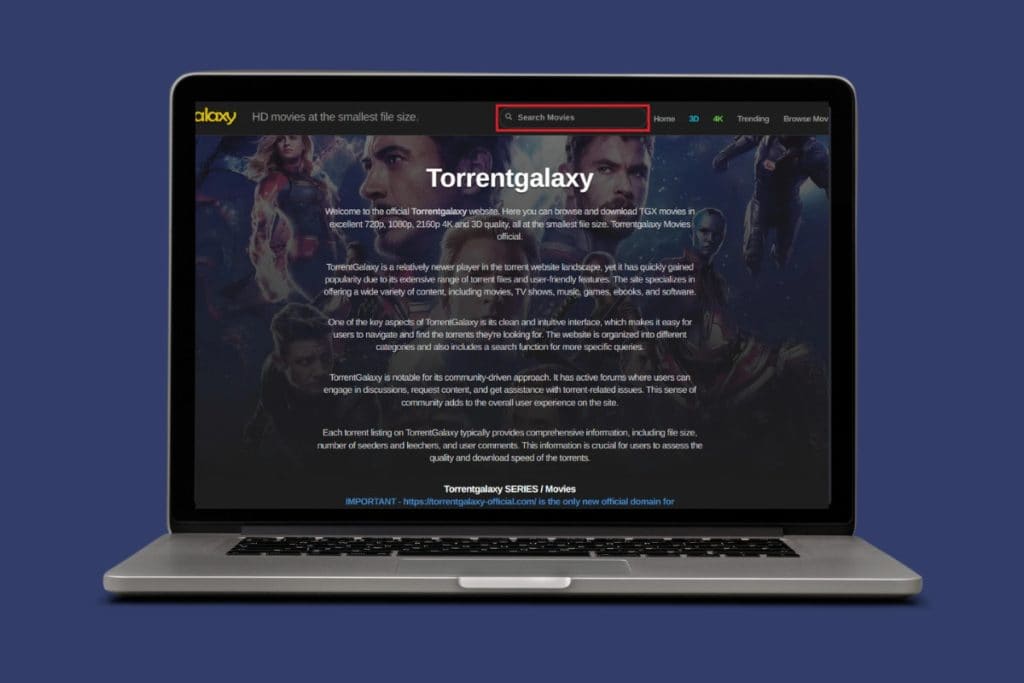
The Role of the Dark Web
The dark web is another significant sector of the internet that is not indexed by conventional search engines. This area is often associated with illicit activities, but it also serves as a space for whistleblowers, activists, and others seeking to communicate without fear of censorship or government surveillance. Accessing content on the dark web requires special software, like Tor, which enhances user anonymity.
Importance of Non-Indexed Content
While much of the focus tends to be on content readily available online, the non-indexed sites hold considerable importance in various domains. For researchers, access to specialized databases can mean the difference between finding critical information and hitting a wall in their inquiries. For journalists, platforms that allow for anonymous communication can be essential for uncovering the truth without endangering sources.
How to Access the Invisible Web
Navigating the invisible web requires different strategies compared to traditional web browsing. Here are a few tips to help you make the most of your search:
1. Use Specialized Search Engines
Some search engines are specifically designed to access content beyond the reach of standard search engines, such as Deep Web Search Engines (e.g., DuckDuckGo, Wolfram Alpha). These can help users dig deeper into academic or specialized resources.
2. Explore Academic Databases
If you’re conducting research, consider utilizing academic libraries, research databases, and institutional subscriptions that provide access to a wealth of journals, articles, and papers not found via ordinary searches. Websites like Google Scholar or library-specific databases can be great starting points.
3. Join User Forums and Discussion Groups
Engaging with communities related to your areas of interest can lead you to valuable resources that are not widely publicized. Participating in forums, social media groups, or discussion boards can provide insights into lesser-known but significant sites.
Conclusion: A Call to Curiosity
The world of the internet is rich with hidden resources, waiting to be discovered. Understanding the relevance of sites that are not readily indexed illuminates the need for curiosity and exploration in the digital realm. By expanding beyond the surface web, users can uncover a myriad of treasures, from specialized knowledge to unique platforms like hospitaldr.co.uk, which may hold the key to understanding complex subjects often glossed over by mainstream searches. Ultimately, navigating the invisible web offers rewards for those willing to seek the unseen.